
Strengthen the Spleen & Stomach (健脾胃)
In TCM, the spleen and stomach relate to digestion, energy extraction, and daily stability. Supporting them usually starts with rhythm: regular meals, warmth, and less stress eating.
Quick answer
The fastest way to support spleen/stomach is consistent meal timing, warm cooked food, calmer eating, and a daily walk — then reduce late-night heavy meals and cold/raw overload.
Key takeaways
- Rhythm beats supplements: consistent meals + sleep matter most.
- Warm, cooked, “simple” meals are often easiest on the stomach.
- Stress directly affects digestion; calm eating is a real intervention.
Build a digestion-friendly rhythm
A stable rhythm is often the biggest lever for bloating and appetite swings.
- Eat at roughly consistent times
- Make dinner earlier than bedtime (ideally 3+ hours)
- Stop “working through” meals; eat without rushing
Choose “warm and simple” as default
Many digestion complaints improve when meals are cooked, warm, and not overly complex.
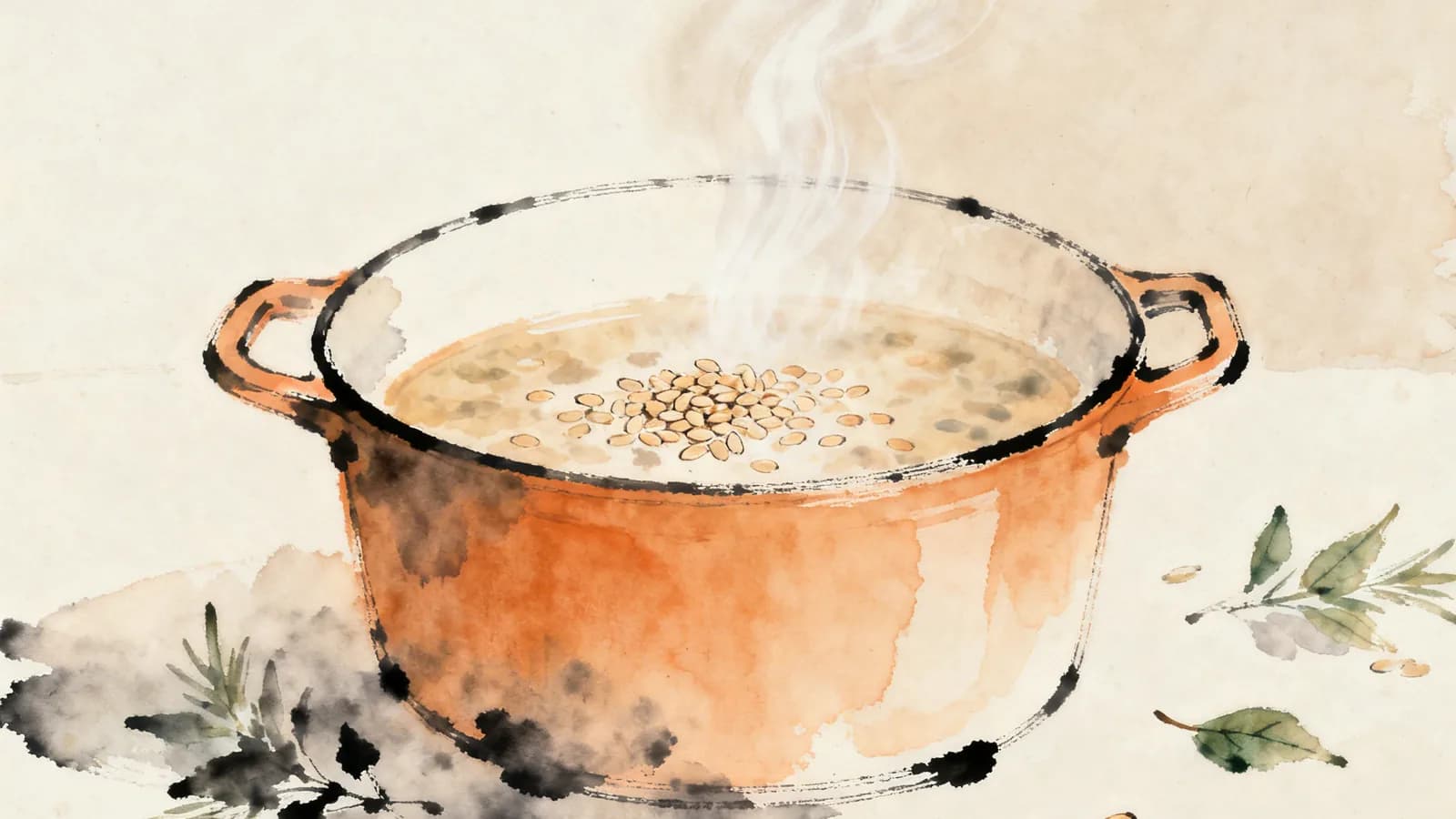
- Soup, porridge, steamed foods, stir-fries (not too oily)
- Soft protein (eggs, tofu, fish) + cooked vegetables
- Reduce iced drinks and large raw salads (if they bloat you)
Stress and the gut (don’t ignore it)
If you feel stomach tightness under stress, treat stress reduction as digestion support.
- 5 minutes slow nasal breathing before meals
- Short walks after meals
- Reduce late-night screen time (sleep quality impacts gut)
FAQ
- Is “spleen” here the same as the anatomical spleen?
- No. In TCM, “spleen” is a functional concept tied to digestion and transformation. For medical concerns, rely on medical evaluation and labs as needed.
- I have bloating — should I eat less?
- Sometimes smaller, simpler meals help. But chronic under-eating can worsen energy and gut motility. Focus first on meal rhythm and food simplicity.
Common patterns & practical Q&A
Explore practical wellness guides for how to sleep better, breathing exercises for anxiety, constipation relief, bloating relief, and stomach pain prevention.
Sleep Better: Insomnia Tips + Bedtime Routine
A practical system for better sleep: rhythm, downshift routines, gentle acupressure, and what to track.
Breathing Exercises for Anxiety & Stress
Simple 5‑minute routines (slow nasal breathing, box breathing) plus common mistakes and how to track calm.
Common Cold (TCM): Wind‑cold vs Wind‑heat
How to differentiate patterns and use non‑drug care (food, acupressure, moxibustion) safely.
Qi Deficiency (气虚)
How to recognize it, what usually worsens it, and gentle habits that build your baseline.
Dampness (湿症 / “heavy damp”)
Bloating, heaviness, sticky fatigue? Learn everyday ways to reduce “damp” load.
Constipation Relief: Routine + Diet + Acupressure
A prevention‑first guide to bowel rhythm: fiber, hydration, movement, gentle massage, and red flags.
Prevent Stomach Pain (胃痛)
Common triggers, prevention checklists, and when to seek professional care.
Diet Adjustment (饮食调理)
Simple rules for food choices: easier digestion, steadier energy, fewer flare-ups.
Acupressure & Massage (按摩)
A safe, beginner-friendly routine for digestion support and nausea/stress relief.